
WORLD BRAIN DAY 2026:

How to Support Brain Health Throughout Your Life

Life in Southeast Asia can move fast. One week you are in Singapore for meetings, the next in Bangkok for a check-up, then back to Jakarta for work, family, and traffic that tests every neuron you own.

For World Brain Day 2026, the theme “Brain Health: Access for All” is especially relevant to expats, travelers, and international families. Brain health is important everywhere but access to the right care can become more complicated when life crosses borders.
Why Brain Health Matters When You Travel or Live Abroad

Brain-related concerns can happen suddenly. A severe headache, stroke symptom, seizure, head injury, or sudden confusion should never be treated casually.

For people living or travelling overseas, the key issue is access:

  • Where should you go for urgent care?
  • Is the nearest hospital properly equipped?
  • Do you need a neurologist?
  • Will your insurance cover scans or specialist treatment?
  • Is medical evacuation included if care is not available locally?
  • Will the hospital require upfront payment?

That is why brain health planning should be part of international health planning.

Brain Health Habits for a Mobile Lifestyle

Travel and expat life can disrupt healthy routines. Long flights, late meetings, poor sleep, stress, and irregular meals can affect energy, mood, and focus.

Protect your brain with simple habits:
  1. Prioritize sleep
    Your brain needs rest, not just coffee and courage.
  2. Stay hydrated
    Dehydration can affect concentration and energy.
  3. Move during travel
    Walk, stretch, and avoid sitting too long.
  4. Manage stress
    Work across time zones can be exciting, but your brain still needs boundaries.
  5. Eat consistently
    Skipping meals can affect mood and focus.
  6. Limit harmful alcohol use
    Especially during business travel or long holidays.
  7. Know emergency numbers
    Save local emergency contacts before you need them.
  8. Carry medical information
    Keep a record of medications, allergies, and existing conditions.
Warning Signs You Should Not Ignore

Seek urgent medical care if you experience:

  • Sudden facial drooping
  • Arm weakness
  • Speech difficulty
  • Sudden severe headache
  • New seizure
  • Loss of consciousness
  • Sudden confusion
  • Head injury with vomiting or drowsiness
  • Sudden vision loss
  • Weakness or numbness on one side of the body

These may be signs of serious neurological conditions and need immediate attention.

Where Insurance Comes In

The World Health Organization highlights the importance of receiving needed health services without financial hardship. For expats and travellers, that principle becomes very practical.

A suitable International Private Medical Insurance plan may help with:

  • Hospital admission
  • Specialist care
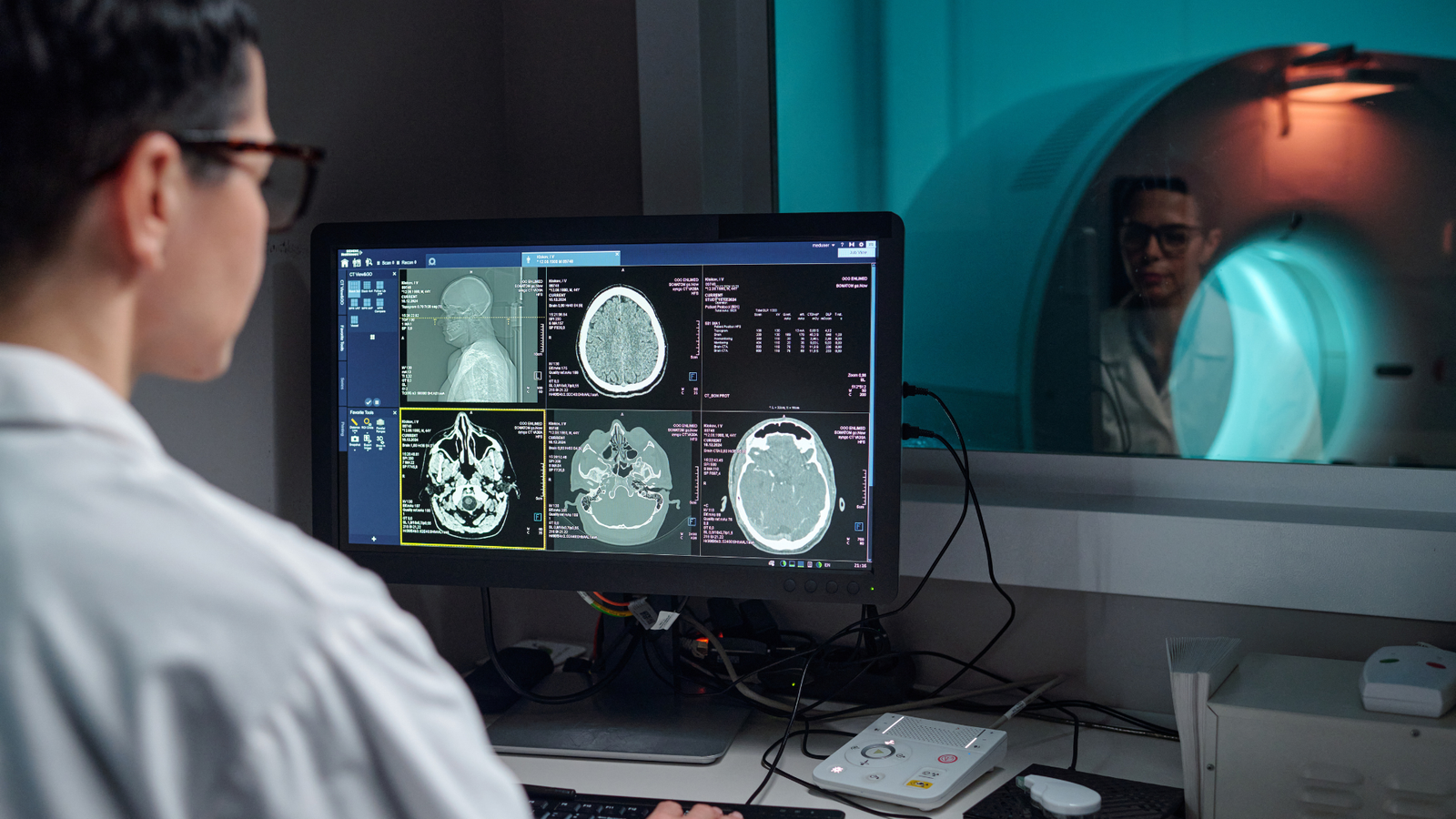
  • MRI, CT scans, and diagnostics
  • Emergency treatment overseas
  • Rehabilitation after illness or injury
  • Medical evacuation or repatriation
  • Access to international hospital networks

World Brain Day 2026 is a reminder that brain health should not depend on where you are, where you live, or how often you travel.

For expats, travellers, and international families, access matters. Preparation matters. Coverage matters.

Because when it comes to the brain, “I’ll deal with it later” is not a good medical strategy.