
Pregnancy advice usually comes with glowing smiles, baby kicks, nursery inspiration, and endless reminders to “rest while you can.” But there’s one topic many first-time moms still don’t hear enough about: preeclampsia.
On World Preeclampsia Day, observed every May 22, healthcare organizations worldwide are once again pushing an important message in 2026, pregnancy complications can happen even during healthy pregnancies, and awareness saves lives.
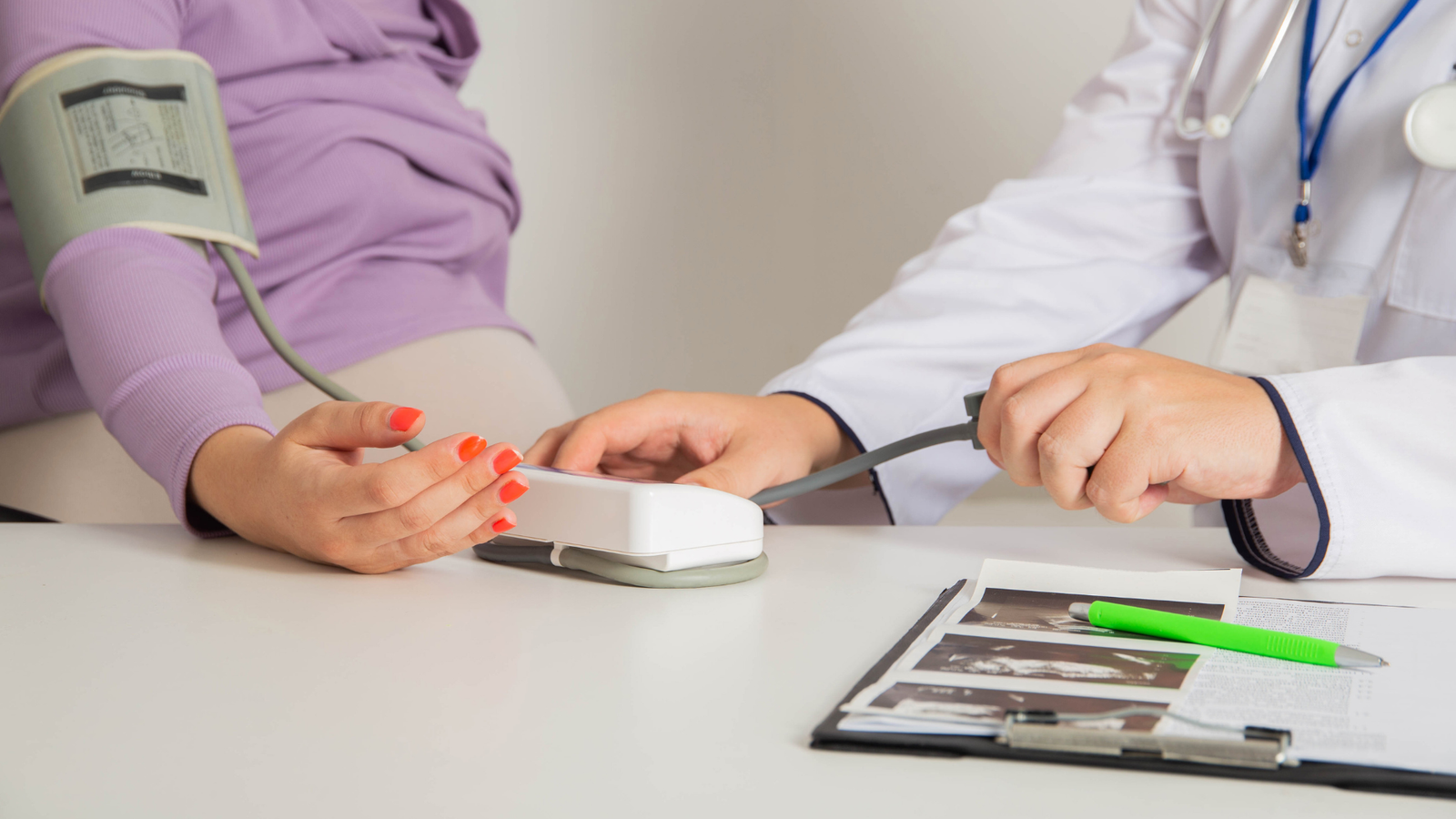
Preeclampsia is one of those conditions that sounds rare until someone close to you experiences it. The reality? It remains one of the leading causes of maternal and newborn complications globally.
And no, it’s not “just high blood pressure.”
Preeclampsia is a pregnancy complication usually marked by:
It commonly develops after the 20th week of pregnancy, although it can also happen after delivery.
According to the World Health Organization, hypertensive disorders during pregnancy continue to contribute significantly to maternal deaths worldwide, especially where early detection and prenatal care are limited.
1. “Normal Pregnancy Symptoms” Can Actually Be Warning Signs
Many symptoms of preeclampsia look deceptively ordinary:
That’s why the condition can sometimes be missed early. The difference is intensity and persistence. A severe headache that won’t go away or sudden swelling in the hands and face deserves medical attention immediately
The difference is intensity and persistence. A severe headache that won’t go away or sudden swelling in the hands and face deserves medical attention immediately
2. It Can Happen to Healthy Women Too
Many first-time mothers think: “I exercise, eat healthy, and I’m young. I’ll be fine.”
Unfortunately, preeclampsia doesn’t always care. Even women with healthy lifestyles and no previous medical conditions can develop it. Risk factors may include:
Still, some women develop it with zero obvious risk factors. That unpredictability is exactly why prenatal checkups matter.
3. Google Is Not Your OB-GYN
It’s 2026. We all search symptoms online.
But pregnancy symptoms are tricky because many dangerous signs overlap with common discomforts. Social media trends promoting “natural pregnancy fixes” or minimizing symptoms can delay proper treatment.
When it comes to preeclampsia:
Pregnancy complications can become expensive quickly, especially for expatriates, frequent travelers, and international families living across Southeast Asia.
International Private Medical Insurance may help provide access to:
Every policy differs, so understanding your maternity coverage before pregnancy is important.
The truth about preeclampsia nobody tells first-time moms is this: pregnancy complications don’t always announce themselves dramatically.
This World Preeclampsia Day, awareness is one of the most powerful tools mothers and families can have. Stay informed, attend prenatal checkups, ask questions, and prioritize maternal health at every stage of pregnancy. Because every mother deserves a safer journey into motherhood.